
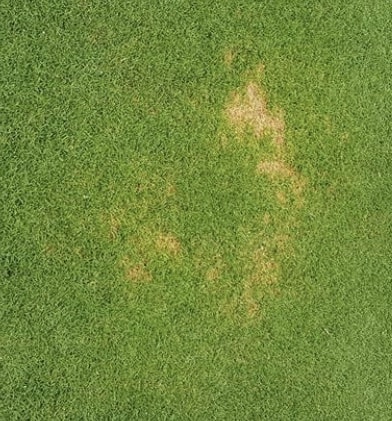
Anthracnose
Anthracnose in Turf: Identification, Causes & Management
What is Anthracnose?
Anthracnose is one of the most challenging diseases of intensively managed turfgrass, particularly on golf greens and closely mown sports turf. It is caused by the fungus Colletotrichum cereale, which can infect both the leaves and crowns of susceptible turfgrass.
Unlike many turf diseases, Anthracnose is considered a stress-related disease. While the pathogen is commonly present in turf, disease outbreaks are usually triggered when environmental conditions and management practices place the plant under prolonged stress. Poor nutrition, low mowing heights, compaction and moisture extremes can all contribute to severe outbreaks.
Anthracnose primarily affects winter grass (Poa annua), but all cool-season species can also be affected under favourable conditions.
Symptoms of Anthracnose
Above-Ground Symptoms
Symptoms vary depending on whether the disease is affecting the leaves (foliar blight) or crowns (basal rot).
Common symptoms include:
- Yellowing or bronze patches that gradually become straw-coloured.
- Irregular thinning of the turf surface.
- Black, hair-like fungal structures (setae) visible on infected leaf tissue under magnification.
- Individual leaves may develop dark lesions before collapsing.
- Reduced turf density and poor playing quality.
Basal Rot Symptoms
The basal rot phase is generally the most damaging and includes:
- Blackened or rotting crowns.
- Weak, shallow-rooted plants.
- Turf that pulls away easily from the soil.
- Slow recovery and continued thinning during the growing season.
Unlike many foliar diseases, Anthracnose can significantly weaken the entire plant when crown infection occurs.
Conditions That Favour Disease
Anthracnose is strongly associated with turf under physiological stress rather than simply favourable weather conditions.
Factors that increase disease pressure include:
- Low nitrogen fertility.
- Very low mowing heights.
- Soil compaction.
- Drought stress or excessive soil moisture.
- Poor drainage.
- Excessive thatch accumulation.
- High traffic and wear.
- Warm temperatures (20–30°C).
- Extended periods of leaf wetness and high humidity.
In Australia, Anthracnose is most common from late spring through autumn, although basal rot can continue developing whenever turf remains under prolonged stress.
Management Strategies
Cultural Control
Successful Anthracnose management focuses on reducing plant stress and maintaining healthy turf growth.
Recommended practices include:
- Maintain adequate nitrogen fertility throughout the growing season.
- Avoid excessive reductions in mowing height.
- Rotate hole and traffic locations where possible.
- Relieve soil compaction through regular aeration.
- Maintain consistent soil moisture and avoid drought stress.
- Improve drainage and manage excessive thatch.
- Promote healthy root development through balanced nutrition and sound irrigation practices.
Research has consistently shown that maintaining adequate nitrogen fertility significantly reduces Anthracnose severity compared to low-input fertility programs.
Fungicide Control
Preventative fungicide applications are recommended on high-value turf where Anthracnose has previously occurred.
For best results:
- Begin applications before periods of high disease pressure.
- Rotate FRAC groups to minimise fungicide resistance.
- Ensure good spray coverage of the turf canopy.
- Integrate fungicides with sound cultural practices rather than relying solely on chemical control.
Because Anthracnose is closely linked to plant stress, fungicides alone are unlikely to provide satisfactory long-term control without addressing the underlying cultural factors.
Recovery
Recovery depends on the severity of crown damage and the level of plant stress. Turf with primarily foliar symptoms often recovers quickly once growing conditions improve, while basal rot infections may require several weeks of active growth to restore density.
Maintaining consistent fertility, minimising stress and encouraging healthy root development will significantly improve recovery.
A little bit of nitrogen can be very beneficial in help the grass out-grow the disease.
Key Takeaway
Anthracnose is a stress-driven disease that becomes most severe when turf health declines. Maintaining adequate nitrogen, reducing compaction, managing moisture effectively and avoiding excessive mowing stress are the most effective cultural practices for reducing disease pressure. Combined with a preventative fungicide program, these practices provide reliable long-term control on high-performance turf surfaces.
Turf identification is the important first step in treating anthracnose, and Lawn Addicts has a variety of professional lawn care products available online.