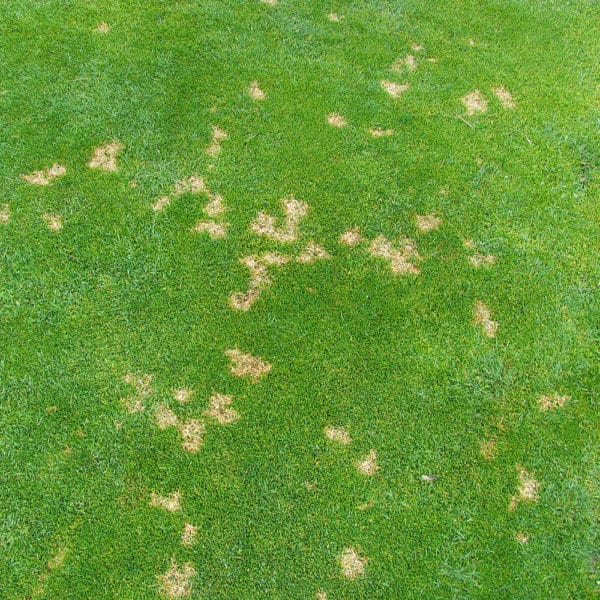
Dollar Spot
- Products:
- - Buy Product - Bumper 625 1lt
- - Buy Product - Posterity 500ml
- - Buy Product - Tombstone Duo
- - Buy Product - Impala Fungicide 250ml
- - Buy Product - Tribeca Fungicide 250ml
- - Buy Product - Surefire Rapide Aqua 500SC 1 litre
- - Buy Product - Surefire Chlortan 720 1 litre
- - Buy Product - Daconil Weather Stik 10 ltr
Dollar Spot in Turfgrass: Identification, Causes & Management
What is Dollar Spot?
Dollar Spot is one of the most common and economically significant diseases of managed turfgrass in Australia. Caused by the fungus Clarireedia jacksonii (formerly classified as Sclerotinia homoeocarpa), it primarily affects the leaves of turfgrass, reducing turf quality, density and playability.
The disease is common on golf courses, sports fields, racecourses and premium lawns, particularly where turf is maintained at low mowing heights. While Dollar Spot rarely kills turf, repeated outbreaks can weaken plants, increase maintenance costs and create inconsistent playing surfaces.
Dollar Spot affects both cool and warm-season turf species, with creeping bentgrass, perennial ryegrass, couch (Cynodon spp.) and zoysia among the most susceptible under favourable conditions.
Symptoms of Dollar Spot
Above-Ground Symptoms
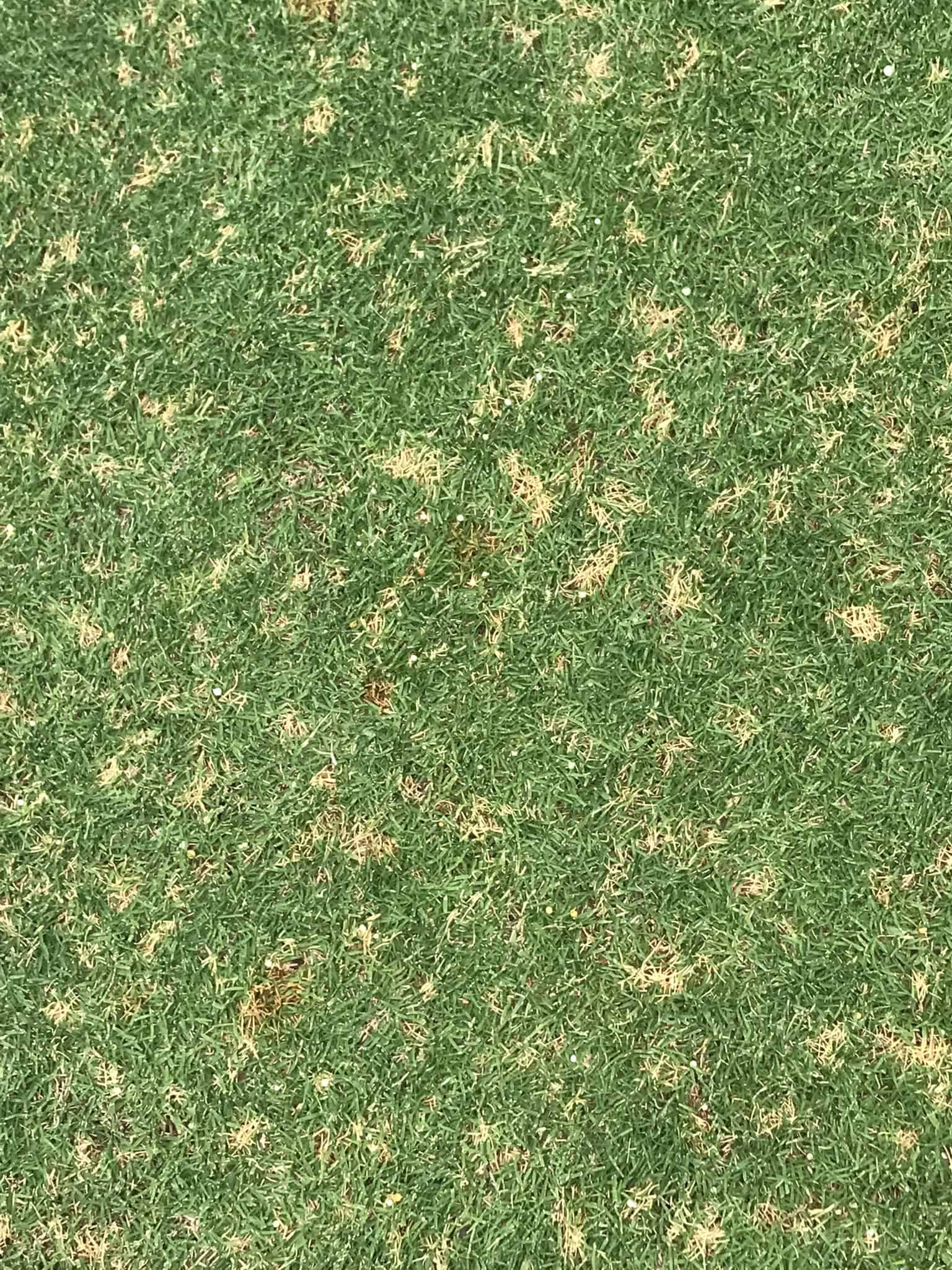
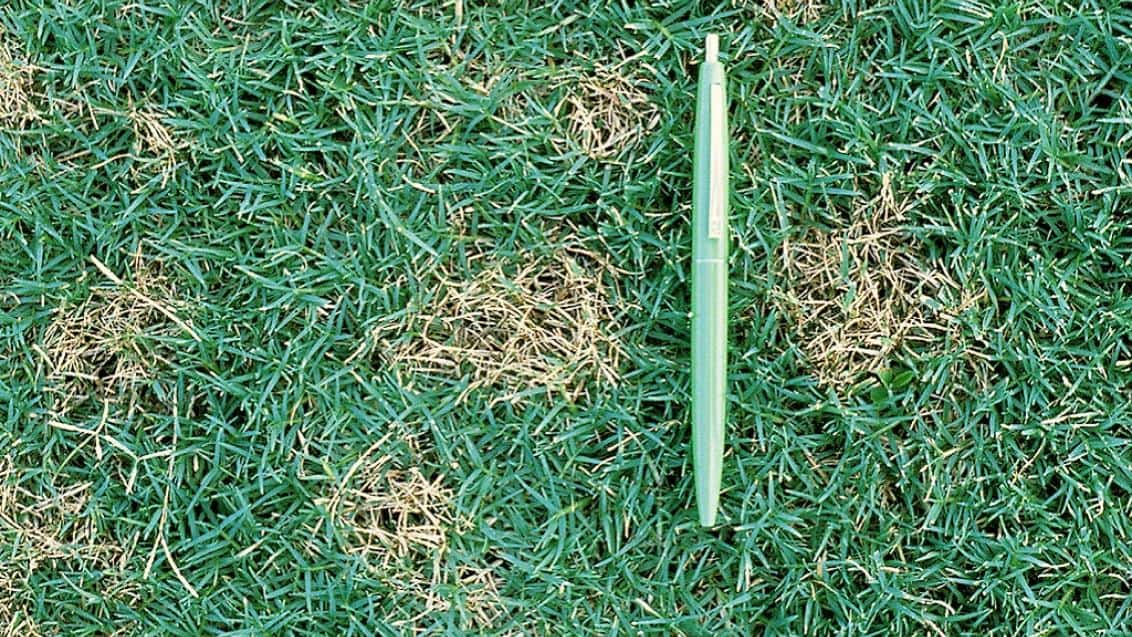
- Small, circular patches of bleached or straw-coloured turf, typically 20–75 mm in diameter.
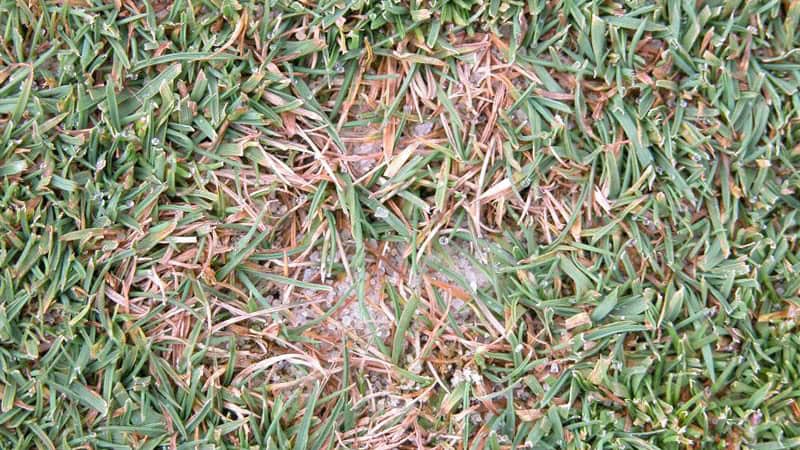
- Fine, tan lesions with reddish-brown borders on individual leaf blades.
- Multiple infection centres may merge to form larger irregular patches.
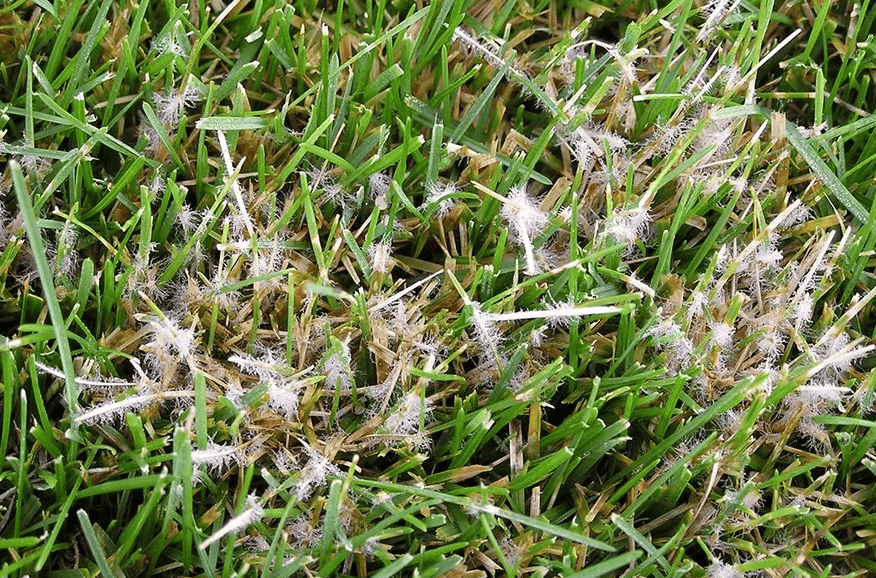
- White, cobweb-like mycelium may be visible on affected turf during cool, humid mornings.
- Turf appears thin and uneven where disease pressure is high.
Turf Health
- Dollar Spot is primarily a foliar disease and rarely infects roots.
- Severe or repeated outbreaks can reduce turf density and increase weed invasion.
- Recovery is generally rapid once disease pressure is reduced and active growth resumes.
Conditions That Favour Dollar Spot
Dollar Spot develops when environmental conditions favour fungal activity and turf growth is limited.
Factors that increase disease pressure include:
- Temperatures between 15–30°C, with optimum development around 20–28°C.
- Extended periods of leaf wetness from dew, rainfall or irrigation.
- High humidity and poor air circulation.
- Low nitrogen fertility.
- Moist days followed by cool nights.
- Turf under drought or traffic stress.
In Australia, Dollar Spot is most active from late spring through autumn, particularly during periods of warm days, cool nights and heavy morning dews.
Management Strategies
Cultural Control
A healthy, actively growing turf surface is the best defence against Dollar Spot.
Recommended practices include:
- Maintain adequate nitrogen fertility to promote consistent growth.
- Remove morning dew by switching, mowing or rolling where practical.
- Improve airflow and sunlight penetration.
- Water deeply and infrequently while avoiding prolonged leaf wetness.
- Reduce thatch accumulation through regular aeration and renovation.
- Minimise drought stress with appropriate irrigation scheduling.
- Maintain balanced nutrition based on soil and tissue testing.
Research consistently shows that low nitrogen fertility is one of the strongest contributors to Dollar Spot development, making a balanced nutrition program essential for long-term disease management.
Fungicide Control
Preventative fungicide applications provide the most consistent control on high-value turf surfaces.
For best results:
- Apply fungicides before disease pressure becomes severe or at the first sign of symptoms.
- Rotate FRAC groups to reduce the risk of fungicide resistance.
- Ensure thorough spray coverage of the leaf surface.
- Integrate fungicides with sound cultural practices rather than relying solely on chemical control.
Because Clarireedia species have demonstrated resistance to several fungicide groups worldwide, resistance management should be an important part of every fungicide program.
Recovery
Dollar Spot recovery is generally rapid once favourable growing conditions return. Maintaining adequate nitrogen, reducing moisture on the leaf surface and minimising plant stress will encourage healthy new leaf growth and restore turf density.
Where outbreaks have been severe, light renovation practices and continued monitoring may be required to prevent reinfection.
Key Takeaway
Dollar Spot is one of Australia’s most common turf diseases and can significantly reduce turf quality if left unmanaged. Maintaining balanced fertility, particularly adequate nitrogen, reducing leaf wetness and implementing a preventative fungicide program are the foundations of effective long-term control. An integrated approach combining cultural practices with responsible fungicide use provides the best results.
At Lawn Addicts, we have a variety of professional lawn care products available online.
|
|
|
|
|
|