
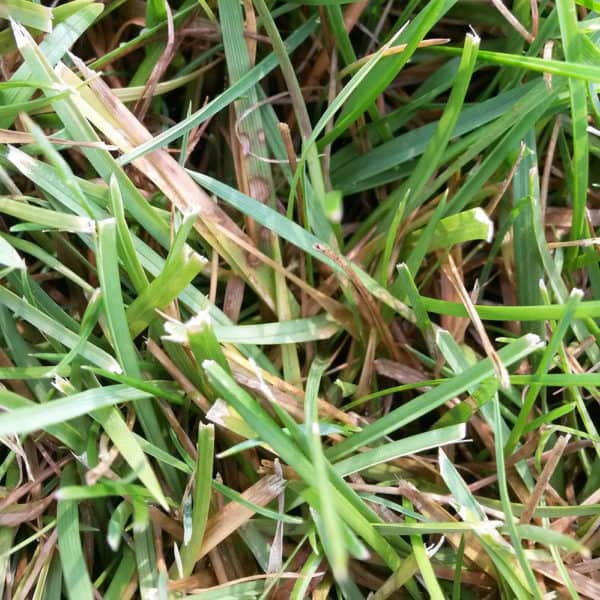
Pythium Blight
- Products:
- Type (Large Area dedicated Pythium treatment) - Buy Product - Banol Turf & Ornamental 1lt
- Type (Larger Area Broad Spectrum) - Buy Product - Heritage MAXX 1lt
- Type (Small Area Broad Spectrum) - Buy Product - Impala Fungicide 250ml
- Type (Larger Area Broad Spectrum) - Buy Product - Lexicon Intrinsic
- Type (Large Area Broad Spectrum) - Buy Product - Subdue Maxx 1ltr
Pythium spp.
What is Pythium Blight?
Pythium Blight is one of the most aggressive and destructive diseases of turfgrass, capable of causing significant damage in as little as 24–48 hours under favourable conditions. Unlike most turf diseases, it is caused by Pythium species—water moulds (oomycetes) rather than true fungi.
The disease affects both cool and warm season turf and is particularly problematic on golf courses, sports fields, racecourses, and premium lawns where high moisture and humidity are common.
Symptoms of Pythium Blight
Above-Ground Symptoms
- Small, dark green or water-soaked patches that rapidly expand.
- Greasy or slimy appearance to affected leaves.
- Turf quickly turns tan or straw-coloured as plants become increasingly infected.
- White, cotton-like mycelium may be visible during humid mornings.
- Disease often follows drainage lines or is spread by water movement and mowing equipment.
Below-Ground Symptoms
- Crown and root rot may develop during severe infections.
- Plants pull away easily from the soil.
- Extensive turf loss can occur if favorable conditions persist.
Because Pythium Blight progresses so rapidly, early identification is critical to limiting damage.
Conditions That Favour Disease
Pythium thrives during periods of prolonged moisture and high humidity. Disease pressure increases when several environmental factors occur together, including:
- High temperatures, particularly above 28°C.
- Relative humidity above 90%.
- Leaf wetness lasting longer than 12–14 hours.
- Poor drainage or saturated soils.
- Excessive irrigation, especially overnight.
- High nitrogen fertility during warm weather.
- Poor airflow and dense turf canopies.
Outbreaks commonly follow thunderstorms, extended rainfall, or hot, humid weather.
Management Strategies
Cultural Control
The most effective management begins with reducing moisture and limiting plant stress.
Key practices include:
- Improve drainage and surface water movement.
- Water deeply and infrequently, avoiding late afternoon or evening irrigation.
- Increase airflow by pruning surrounding vegetation where possible.
- Reduce thatch and relieve soil compaction through regular aeration.
- Avoid excessive nitrogen applications during periods of high disease pressure.
- Restrict traffic on infected areas to minimize pathogen spread.
Maintaining a healthy, well-drained rootzone is one of the best long-term defenses against Pythium.
Fungicide Control
Because Pythium Blight develops so quickly, preventative fungicide applications are often essential on high-value turf.
For the best results:
- Apply fungicides before or at the first sign of favorable weather conditions.
- Rotate groups to minimize resistance development.
- Follow label recommendations for irrigation after application, as some products require watering into the crown or rootzone while others perform best on the leaf surface.
- Shorter reapplication intervals (7-10 days) may be needed to treat heavy infections, or in periods of high disease pressure.
Research has also shown that phosphite-based products can play an important role in preventative Pythium programs when used as part of an integrated disease management strategy.
Recovery
Recovery depends on how quickly the disease is detected and controlled. Mild outbreaks may recover with improved growing conditions, while severe infections can require several weeks of regrowth or, in extreme cases, overseeding or turf replacement.
Supporting recovery with balanced nutrition, careful irrigation, and reduced turf stress will encourage new root and shoot development.
Key Takeaway
Pythium Blight is one of the fastest-moving diseases in turfgrass, making prevention far more effective than cure. Successful management relies on moisture control, good airflow, balanced fertility, and a preventative fungicide program during periods of high disease risk. Early intervention is essential to minimise turf loss and maintain high-quality playing surfaces.
Pythium blight is less likely to occur with a regular balanced fertiliser program. Let the experts at Lawn Addicts supply you with a lawn care program based on turf identification.
Message us for further advice on other products.