
Identifying turf disease & fungus
There are many diseases that occur in lawns. Most of the diseases are caused by various fungal strains, either on the plant itself or in the soil. Turf diseases are found in most conditions, meaning both warm and cool season grasses are susceptible. Read More
Grass diseases can be caused by environmental conditions or factors, such as:
- cold and extended wet periods
- warm and humid conditions
- drought and stress
- high soluble salts and poor nutrition
- soil compaction
- chemical damage, which can be a result of your maintenance practises and misuse of other products.
Careful identification of the cause of a problem and the disease is important for the selection of the correct control product and procedures. At Lawn Addicts, we can tailor a lawn care program for turf diseases, based on grass identification.
In some cases, the problem with your lawn might look like a disease, but could be the result of pests or weeds. Contact the team at Lawn Addicts for advice about weed identification and treatment.
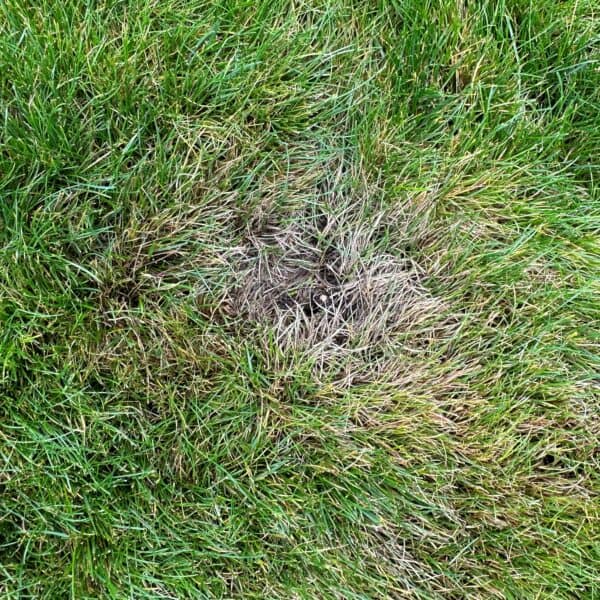
Leptosphaerulina Leaf Blight
Leptosphaerulina spp Leptosphaerulina leaf blight, a fungal disease, can affect a wide range of turfgrass species predominantly cool season varieties, causing aesthetic damage and reducing overall turf health. This guide provides information on identifying, understanding, and managing Leptosphaerulina leaf blight in your lawn. The Cause and Susceptible Turf The culprit behind this disease is a fungus belonging to the genus Leptosphaerulina. Several species within this genus can cause leaf blight, but the most common ones associated with turfgrass include L. americana,…
Read More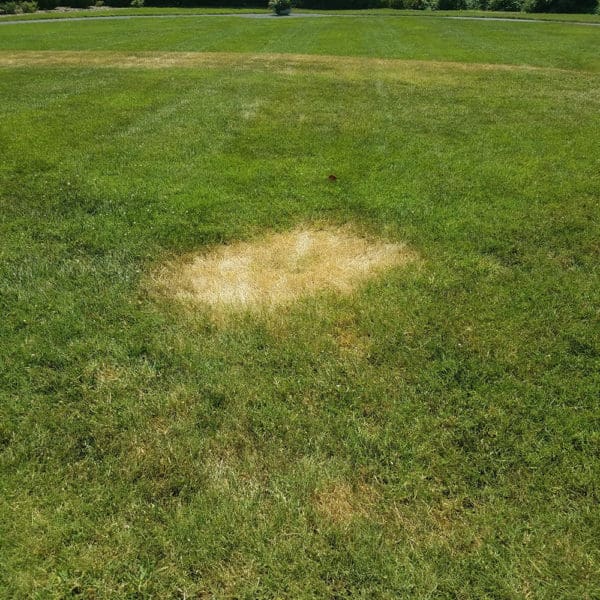
Take-all Patch
Gaeumannomyces graminis var. avenae What is Take-All Patch? Take-All Patch is a serious root disease of cool-season turf, particularly creeping bentgrass. Caused by the fungus Gaeumannomyces graminis var. avenae, it attacks roots, crowns and stolons, reducing the turf's ability to take up water and nutrients. Patches can start relatively small but can grow up to 15cm per year. Quite often reoccurring in the same place year after year. Because the disease develops below the surface, significant root damage often occurs…
Read More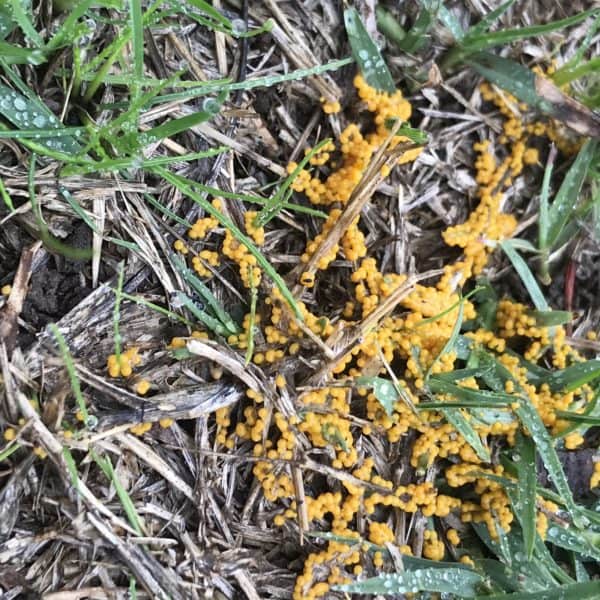
Slime Mould
What is Slime Mould? Slime mould is a harmless fungal-like organism that occasionally appears on turfgrass during warm, humid, and wet conditions. Despite its appearance, it does not infect or damage turf plants. Instead, it feeds on organic matter, bacteria, and microorganisms found on the turf surface. While often alarming to turf managers and homeowners, slime mould is primarily a cosmetic issue. Symptoms of Slime Mould Above Ground Grey, white, purple, yellow, orange, or black patches on turf. A powdery,…
Read More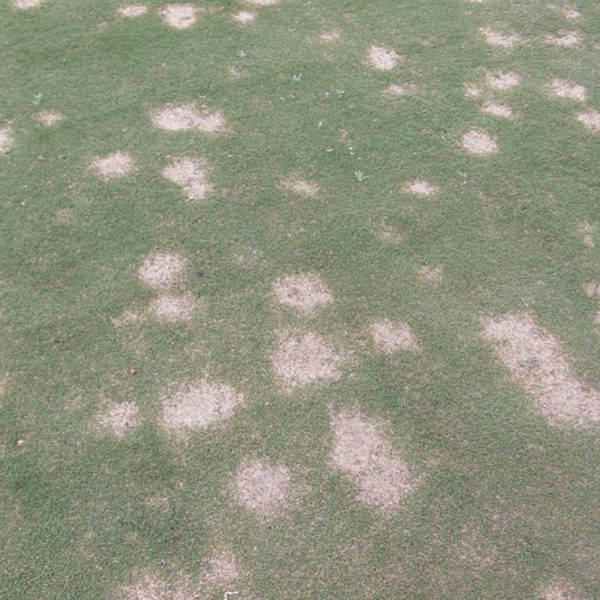
Spring Dead Spot
Ophiosphorella (formally Leptosphaeria) herpotricha, O. korrae, and O. narmari. What is Spring Dead Spot? Spring Dead Spot (SDS) is one of the most significant diseases affecting couch (Cynodon spp.) and hybrid bermudagrass turf. Caused by Ophiosphaerella fungi, the disease infects roots, rhizomes, and crowns during autumn and winter, weakening the plant before dormancy. While infection occurs during the cooler months, symptoms don't typically appear until spring when healthy turf begins to green up and infected plants fail to recover. Symptoms of Spring…
Read More- Type (Preventative ) - Buy Product - Bumper 625 1lt
- Type (Preventative ) - Buy Product - Posterity 500ml
- Type (Preventative ) - Buy Product - Impala Fungicide 250ml
- Type (Preventative ) - Buy Product - Tribeca Fungicide 250ml
- Type (Preventative ) - Buy Product - Surefire Rapide Aqua 500SC 1 litre
- Type (Preventative ) - Buy Product - Transact 500 5lt
- Type (Preventative ) - Buy Product - Lexicon Intrinsic
Rust
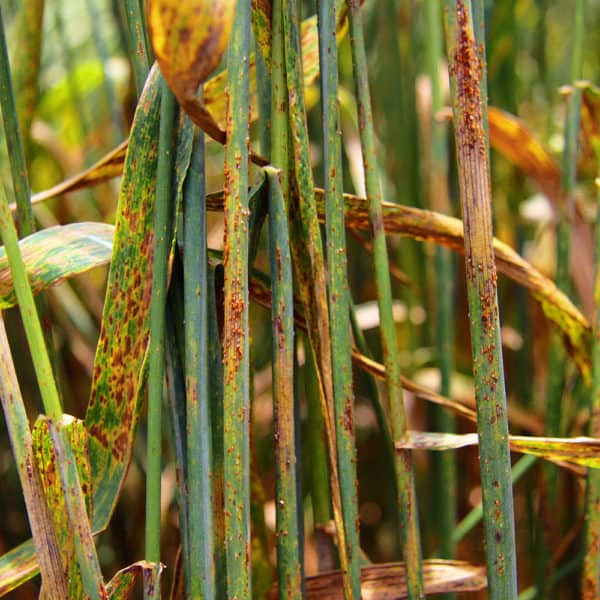
Rust in turf: Identification, Causes & Management What is Rust? Rust is a common foliar disease of turf caused by several species of Puccinia & Uromyces fungi. It primarily affects cool-season grasses such as perennial ryegrass, Kentucky bluegrass, and fine fescues, but can also occur in warm-season turf under favourable conditions. Rust is generally considered a disease of stressed or slow-growing turf and is most commonly seen during periods of moderate temperatures, high humidity, and low fertility. Symptoms of Rust Above-Ground…
Read More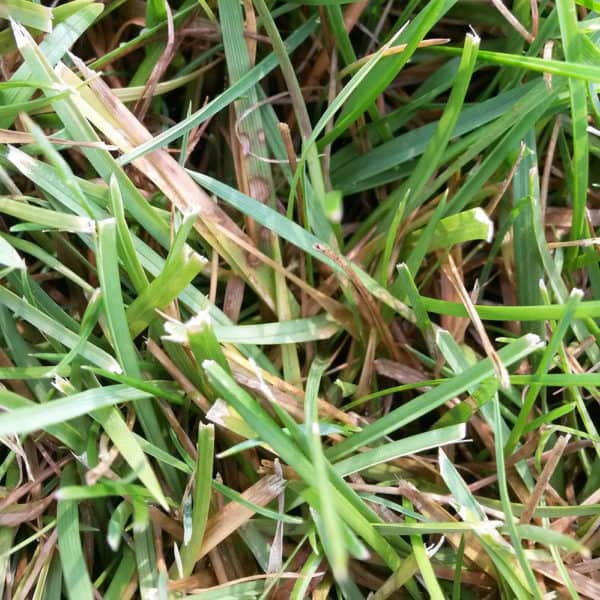
Pythium Blight
Pythium spp. What is Pythium Blight? Pythium Blight is one of the most aggressive and destructive diseases of turfgrass, capable of causing significant damage in as little as 24–48 hours under favourable conditions. Unlike most turf diseases, it is caused by Pythium species—water moulds (oomycetes) rather than true fungi. The disease affects both cool and warm season turf and is particularly problematic on golf courses, sports fields, racecourses, and premium lawns where high moisture and humidity are common. Symptoms of…
Read More- Type (Large Area dedicated Pythium treatment) - Buy Product - Banol Turf & Ornamental 1lt
- Type (Larger Area Broad Spectrum) - Buy Product - Heritage MAXX 1lt
- Type (Small Area Broad Spectrum) - Buy Product - Impala Fungicide 250ml
- Type (Larger Area Broad Spectrum) - Buy Product - Lexicon Intrinsic
- Type (Large Area Broad Spectrum) - Buy Product - Subdue Maxx 1ltr
Black or White Helminthosporium (Black or White Helmo)
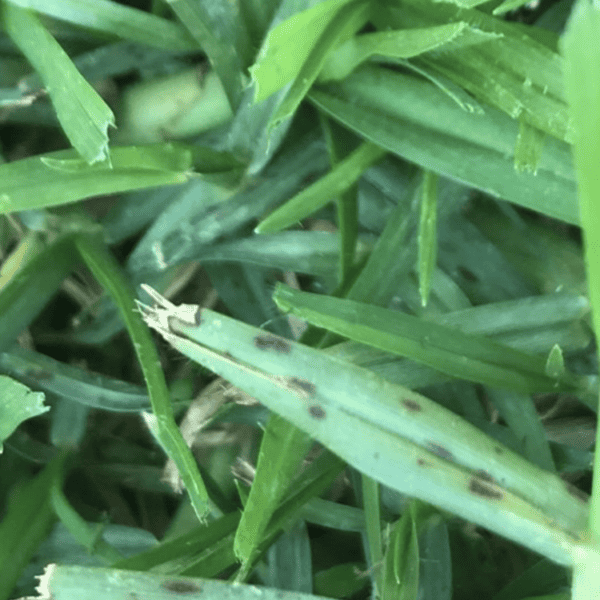
What is Helminthosporium Disease? Commonly known as "Helmo", Helminthosporium is a general term historically used to describe a group of turf diseases caused by fungi now classified as Bipolaris, Drechslera and Exserohilum. Depending on the turf species and environmental conditions, these pathogens can cause leaf spot, melting out, crown rot, and root rot. Helmo diseases are common on cool-season turf, particularly perennial ryegrass, Kentucky bluegrass and Tall Fescue, but can also affect warm-season grasses such as Couch and Kikuyu during…
Read More- Type (Systemic Broad Spectrum Control) - Buy Product - Heritage MAXX 1lt
- Type (Systemic Broad Spectrum Control) - Buy Product - Tombstone Duo
- Type (Systemic Broad Spectrum Control) - Buy Product - Impala Fungicide 250ml
- Type (Systemic Broad Spectrum Control) - Buy Product - Tribeca Fungicide 250ml
- Type (Contact control) - Buy Product - Surefire Chlortan 720 1 litre
- Type (Contact control) - Buy Product - Daconil Weather Stik 10 ltr
- Type (Systemic Broad Spectrum Control) - Buy Product - Surefire Rapide Aqua 500SC 1 litre
- Type (Systemic Broad Spectrum Control) - Buy Product - Transact 500 5lt
Microdochium (Fusarsium) Patch
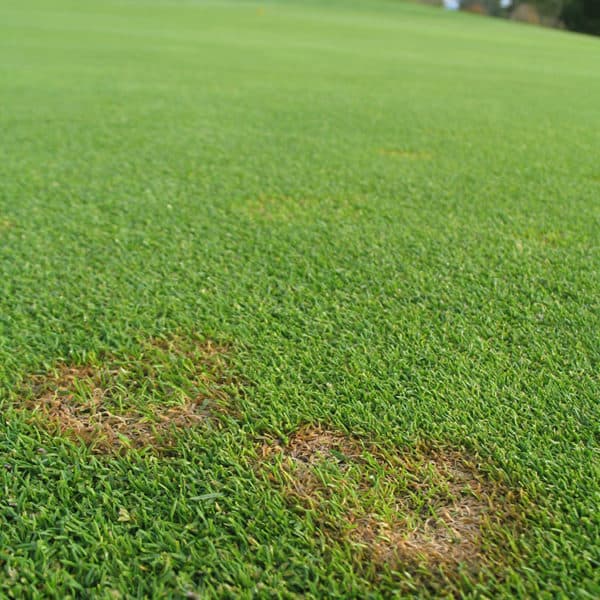
Microdochium Patch is one of the most common cool-season turf diseases in Australia, affecting golf courses, sports fields, bowling greens and premium lawns during the cooler months. Caused by the fungus Microdochium nivale, the disease attacks the leaves and crowns of turf, reducing turf quality and playing performance. Unlike many turf diseases, Microdochium Patch does not require snow cover to develop. While commonly referred to as "Pink Snow Mold" in America in particular, Australian outbreaks occur during cool, wet weather…
Read More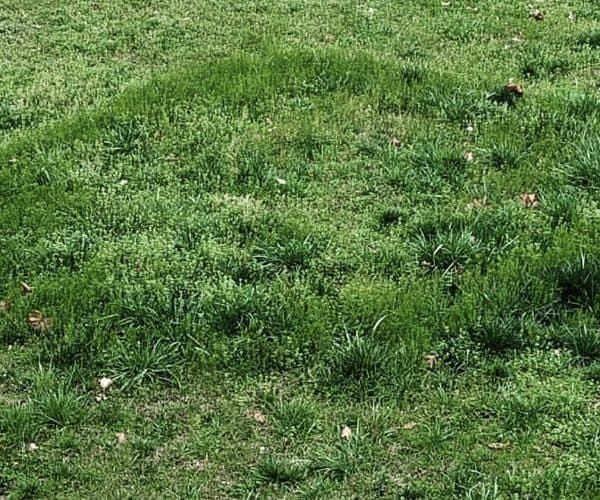
Fairy Ring
Fairy Ring in Turf: Identification, Causes & Management What is Fairy Ring? Fairy Ring is a common soil-borne turf disease caused by a range of fungi that decompose organic matter within the soil profile. Rather than infecting the turf plant itself, these fungi grow through the rootzone, breaking down thatch, old roots and buried organic material. As they grow, they alter the movement of water and nutrients through the soil, often leading to distinct rings or patches of stressed turf.…
Read More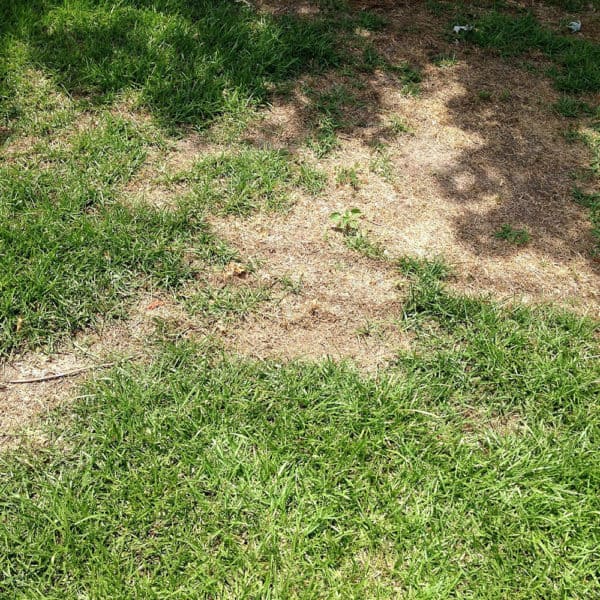
ERI or Ectotrophic Root Infecting Fungi
Ectotrophic Root Infecting (ERI) fungi are a group of soil-borne pathogens that attack the roots, crowns and stolons of turf. Unlike foliar diseases, ERI fungi infect the plant below ground, reducing its ability to absorb water and nutrients, leading to poor vigour, thinning turf and increased susceptibility to environmental stress. The ERI group includes several important turf pathogens, including Gaeumannomyces graminis var. avenae (Take-All Patch and Couch gass Decline), Ophiosphaerella herpotricha, Ophiosphaerella korrae and Ophiosphaerella narmari (Spring Dead Spot), and…
Read More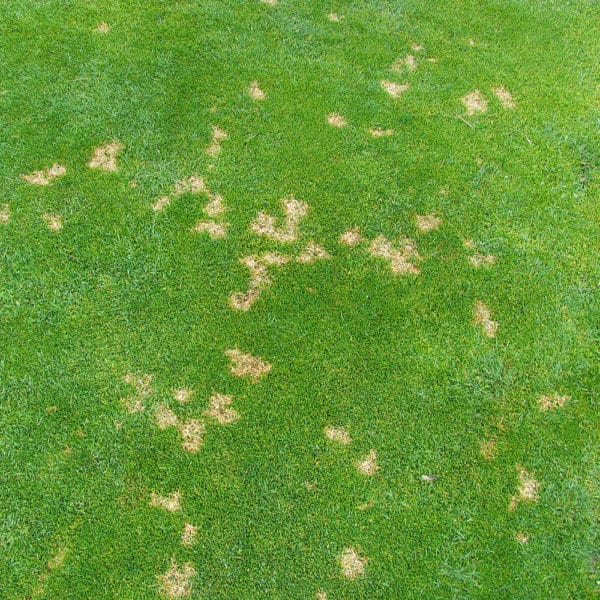
Dollar Spot
Dollar Spot in Turfgrass: Identification, Causes & Management What is Dollar Spot? Dollar Spot is one of the most common and economically significant diseases of managed turfgrass in Australia. Caused by the fungus Clarireedia jacksonii (formerly classified as Sclerotinia homoeocarpa), it primarily affects the leaves of turfgrass, reducing turf quality, density and playability. The disease is common on golf courses, sports fields, racecourses and premium lawns, particularly where turf is maintained at low mowing heights. While Dollar Spot rarely kills…
Read More- - Buy Product - Bumper 625 1lt
- - Buy Product - Posterity 500ml
- - Buy Product - Tombstone Duo
- - Buy Product - Impala Fungicide 250ml
- - Buy Product - Tribeca Fungicide 250ml
- - Buy Product - Surefire Rapide Aqua 500SC 1 litre
- - Buy Product - Surefire Chlortan 720 1 litre
- - Buy Product - Daconil Weather Stik 10 ltr
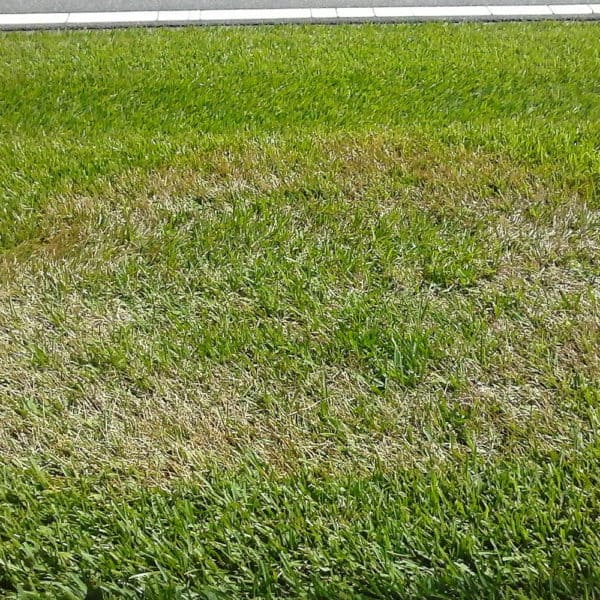
Brown Patch
Brown Patch in turf: Identification, Causes & Management What is Brown Patch? Brown Patch is one of the most common diseases of managed turf during Australia's warmer months. It is caused by the fungus Rhizoctonia solani, a soil-borne pathogen that attacks the leaves, leaf sheaths and crowns of susceptible turfes. Unlike many turf diseases, It develops extremely quickly under warm, humid conditions and can significantly reduce turf quality in just a few days. While the disease rarely kills established turf,…
Read More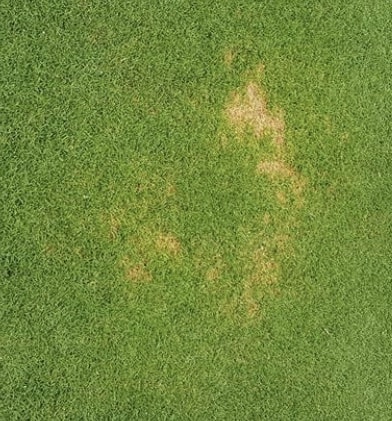
Anthracnose
Anthracnose in Turf: Identification, Causes & Management What is Anthracnose? Anthracnose is one of the most challenging diseases of intensively managed turfgrass, particularly on golf greens and closely mown sports turf. It is caused by the fungus Colletotrichum cereale, which can infect both the leaves and crowns of susceptible turfgrass. Unlike many turf diseases, Anthracnose is considered a stress-related disease. While the pathogen is commonly present in turf, disease outbreaks are usually triggered when environmental conditions and management practices place…
Read More