
Lawn Addicts News
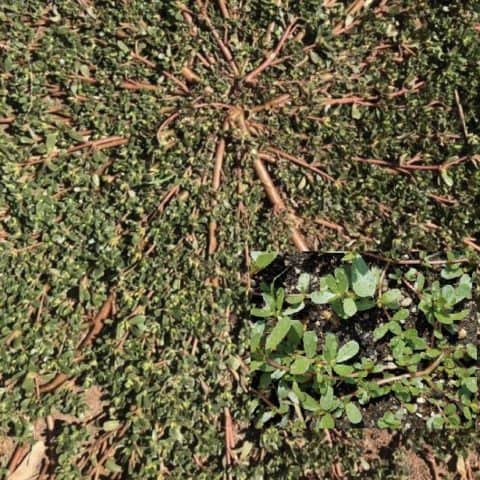
Purslane/Portulaca
Purslanes and Portulaca are a low growing 0 to 200mm high, a prostrate to decumbent often flowing succulent annual weed. Stems and runners are normally soft and pink to brown in colour. They are very common in a variety of soil types especially after having been recently disturbed. There are many varieties of this weed …
Read more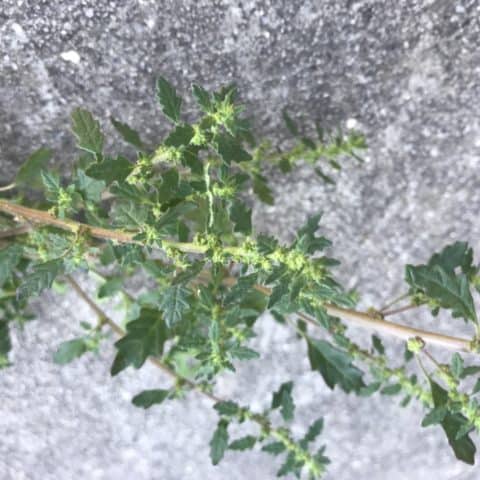
Crested Goosefoot
Crested Goosefoot also know as Crested Crumbweed, is a lower growing prostrate or spreading weed, it can grow 30cm tall. Leaves leave are alternating along the reddish stems and when crush are quite aromatic. Stems are not woody and spreads quickly from the crown and one main thick tap root, from this numerous course roots …
Read more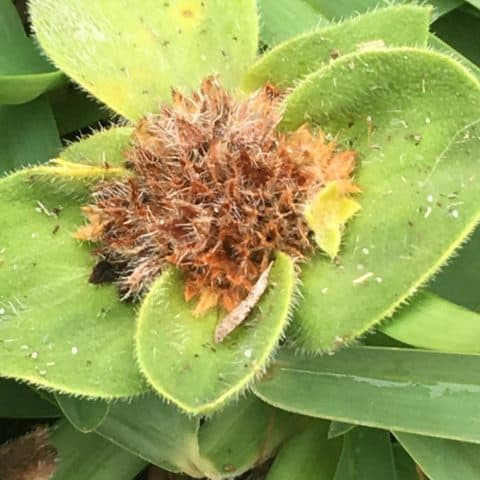
Richardia Brasiliensis (White Eye)
Richardia is an annual spreading prostrate weed, often growing to 50-60 cm across and 10 cm tall. This species of Richardia is quite common in Australia it has a thick white central tap root usually contorted from the crown of the plant. The crown is made up of green prostate stems, many branched with very …
Read more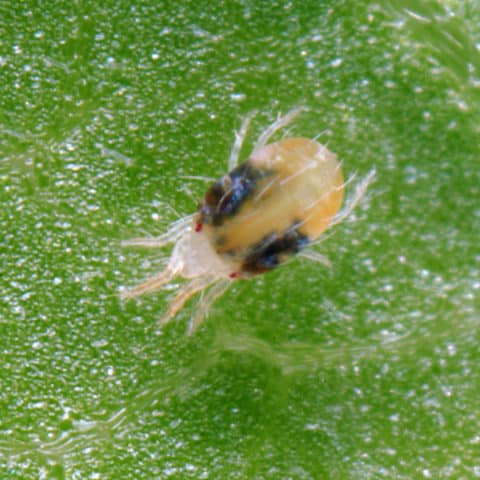
Two Spotted Mite
Two Spotted Mite (Tetranychus urticae) larve hatches from the egg has six legs, is pale yellowish-white, oval and minute. The larva moults to become an eight-legged nymph, which becomes the mature mite after two further moults. The adult female is about 0.5 mm long and the adult male is about 0.3 mm long. In the …
Read more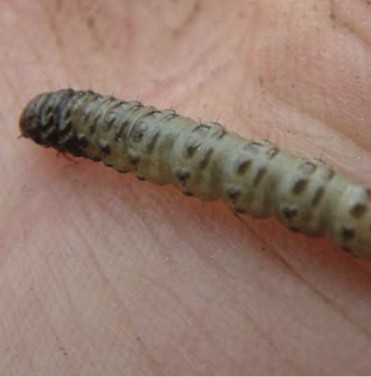
Sod Webworm
Sod Webworm (Herpetogramma licarsisalis) is a relatively thin caterpillar up to 25 mm long, with a pale green-brown body that is marked with characteristic dark spots along its length. When mature the adults become a slender-bodied moth with a wingspan of 2.5 cm. Their wings are grey with black spots and transverse dark, wavy lines. …
Read more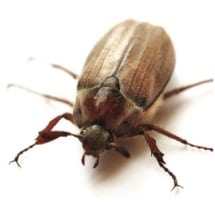
Redheaded Cockchafer
The adult beetle is approximately 13 to 15 mm long and about 8 mm wide and dark brownish-black in colour. The cockchafer grub, which causes lawn damage, is the larval stage of the Redheaded Cockchafer life cycle. The Redheaded Cockchafer, Adoryphorus couloni (Bermeister), is periodically a common pest, especially in areas of south-west and central …
Read more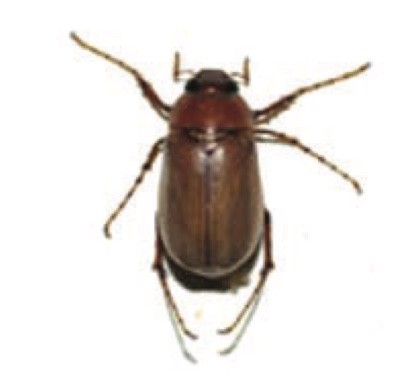
Pruinose Scarab
When mature the adult beetle possesses a dark-brown to black body up to 16 mm long and has a unique set of antenna with large club-like ends. The underside of the body is covered in short grey hairs. The Pruinose Scarab (Sericesthis germinate) larva is a white to creamy-white soft-bodied grub, up to 20 mm …
Read more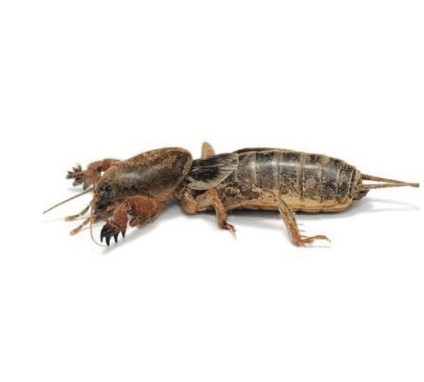
Mole Cricket
The mole cricket (Gryllotalpa spp. & Scapteriscus spp.) is a brown long insect pest with a hard, shiny head, wings and body up to 50 mm long. They have large front legs with jagged claws for digging, and strong l hind legs that are used for removing loose soil while burrowing. Egg laying has been …
Read more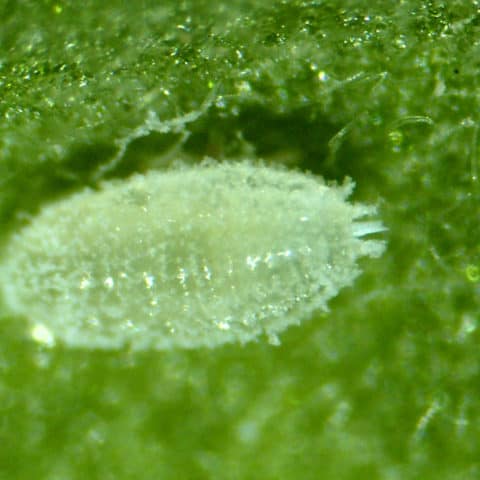
Mealybug
Found in warmer growing climates, mealybugs are soft-bodied, wingless insects that often appear as white cottony masses on the leaf. They feed by inserting long sucking mouthparts, called stylets, into the leaf drawing out sap out of the tissue. Damage is not often much. However, at higher numbers they can cause leaf yellowing and curling …
Read more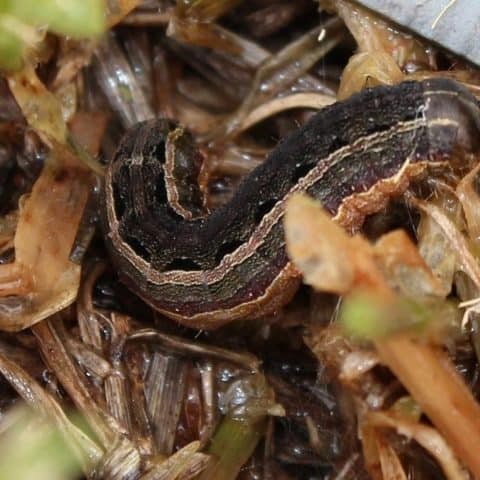
Lawn Armyworm
Lawn armyworm (Spodoptera Mauritia) is a damaging pest when in the larval life stage. The larvae are a soft-bodied caterpillar with a dark-coloured body up to 45 mm long. They possess unique white and yellow striped patterns along the length of the back making them relatively easy to identify. When feeding the larvae often appear …
Read more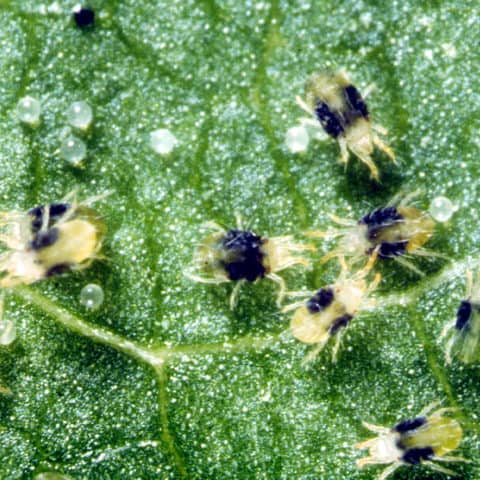
Couch Grass Mite
Couch grass mites (Aceria cynodoniensis) are very small and difficult to see without visual assistance. They are almost transparent to whitish-yellow colour with some darker markings on the outer edge. They have two pairs of legs and an elongated body. Believed to be a native species, this mite now has widespread distribution across Australia. Couch …
Read more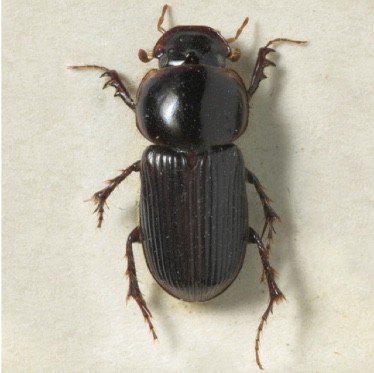
Blackheaded Cockchafer
The Blackheaded Cockchafer (Aphodius tasmaniae) is a native insect of south-eastern Australia, including Tasmania. In Victoria, Blackheaded Cockchafers are mainly active in the Western District, the Southern Wimmera, the North-Central and Central districts, the North-East and Gippsland. They appear to be pests in areas where the annual rainfall exceeds about 480 mm. The Blackheaded Cockchafer …
Read more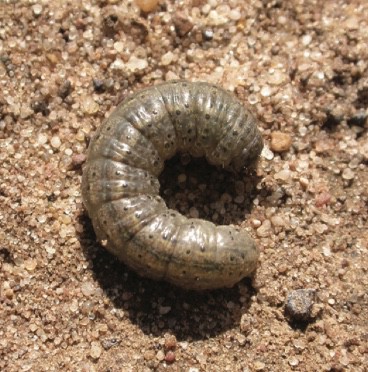
Black Cutworm (Agrotis Spp.)
Black Cutworm is a caterpillar pest found mainly on bentgrass. The larval stage appears as a smooth-bodied, dark-coloured caterpillar with longitudinal lines and brown to black spots on back and sides. When mature, the adult Black Cutworm metamorphoses into a brown moth with a wing span up to 55 mm. The fore-wings are purple-brown with …
Read more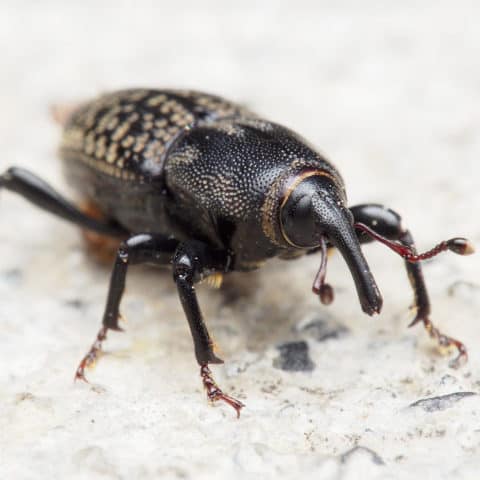
Billbug (La Plata Weevil)
When immature, Billbug (Spenophorus brunnipennis) is a legless, creamy-white ‘C’ shaped larvae with an orange head capsule and a body up to 10 mm long. When mature the larvae metamorphoses dark-brown to black weevil, with a distinctive ‘bill’ like snout and elbowed antennae. Young adults often have dark brown striping on the wing casings and …
Read more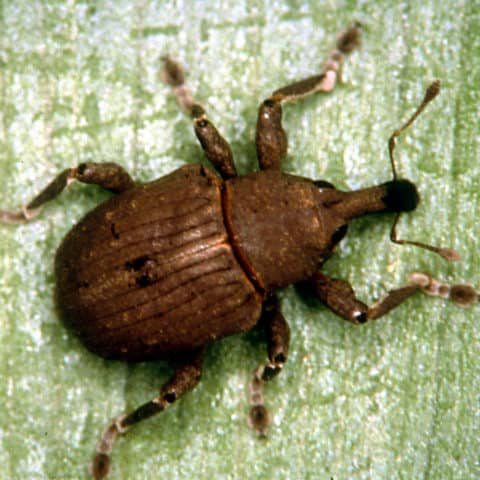
Argentine Stem Weevil
The immature or larval stage of the Argentine Stem Weevil (Listronotus bonariensis) is a legless, creamy-white, active larvae up to 4 mm in length. When mature, the adult appears as a dark grey to black weevil with mottled grey body markings and a distinctive protruding snout, up to 3 mm in length. Adult weevils emerge …
Read more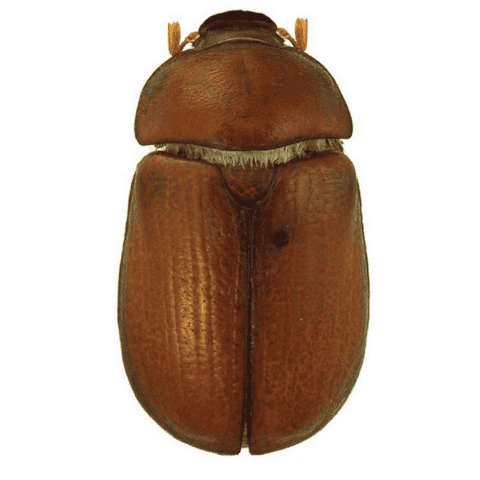
Argentine Scarab
Argentine Scarab (Cyclocephala signaticollis) is very similar in size and shape to the better known African Black Beetle but is a lighter tan-coloured insect and has subtle striping on the wing carapaces. These insects live in the soil and favour turf. Its presence is often indicated by a spongier feel to the turf, which results …
Read more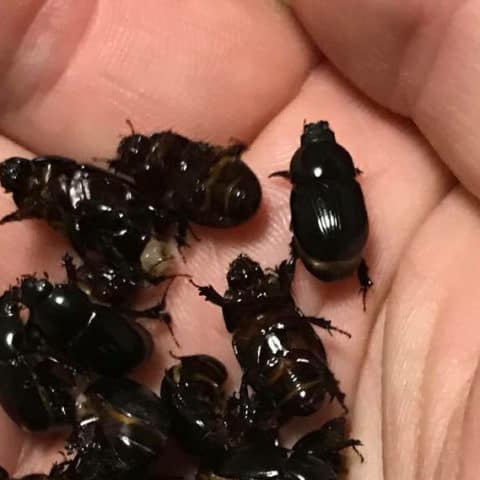
African Black Beetle
Newly hatched African Black Beetle (Heteronychus arator) larvae are about 5 mm long with six legs, white bodies and pale brown heads. Fully grown larvae are 25 to 30 mm in length with a creamy-white body and light-brown head. The rear end has a dark grey tinge. When resting the grubs curl into a C-shape. …
Read more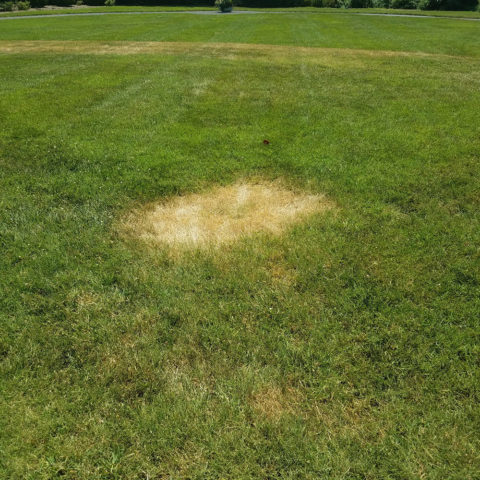
Take-all Patch
Gaeumannomyces graminis var. avenae What is Take-All Patch? Take-All Patch is a serious root disease of cool-season turf, particularly creeping bentgrass. Caused by the fungus Gaeumannomyces graminis var. avenae, it attacks roots, crowns and stolons, reducing the turf’s ability to take up water and nutrients. Patches can start relatively small but can grow up to …
Read more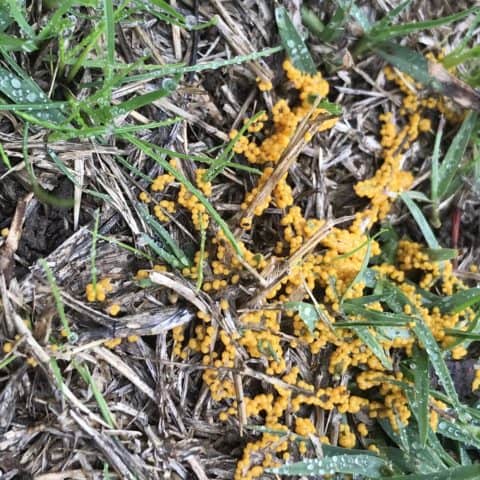
Slime Mould
What is Slime Mould? Slime mould is a harmless fungal-like organism that occasionally appears on turfgrass during warm, humid, and wet conditions. Despite its appearance, it does not infect or damage turf plants. Instead, it feeds on organic matter, bacteria, and microorganisms found on the turf surface. While often alarming to turf managers and homeowners, …
Read more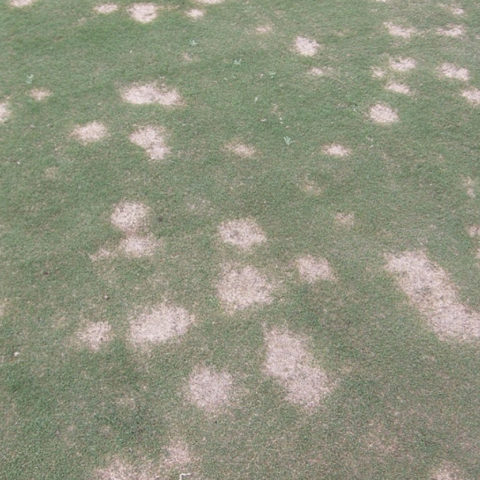
Spring Dead Spot
Ophiosphorella (formally Leptosphaeria) herpotricha, O. korrae, and O. narmari. What is Spring Dead Spot? Spring Dead Spot (SDS) is one of the most significant diseases affecting couch (Cynodon spp.) and hybrid bermudagrass turf. Caused by Ophiosphaerella fungi, the disease infects roots, rhizomes, and crowns during autumn and winter, weakening the plant before dormancy. While infection occurs during …
Read more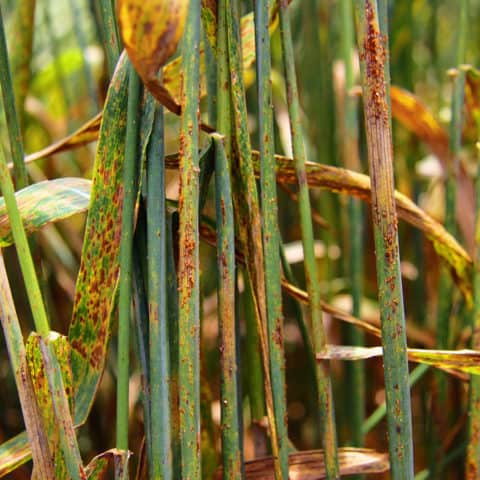
Rust
Rust in turf: Identification, Causes & Management What is Rust? Rust is a common foliar disease of turf caused by several species of Puccinia & Uromyces fungi. It primarily affects cool-season grasses such as perennial ryegrass, Kentucky bluegrass, and fine fescues, but can also occur in warm-season turf under favourable conditions. Rust is generally considered a …
Read more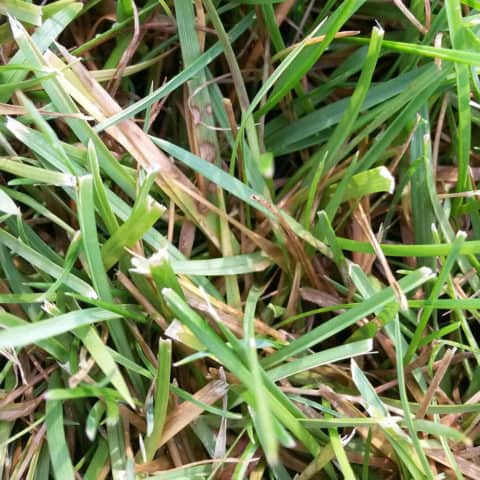
Pythium Blight
Pythium spp. What is Pythium Blight? Pythium Blight is one of the most aggressive and destructive diseases of turfgrass, capable of causing significant damage in as little as 24–48 hours under favourable conditions. Unlike most turf diseases, it is caused by Pythium species—water moulds (oomycetes) rather than true fungi. The disease affects both cool and …
Read more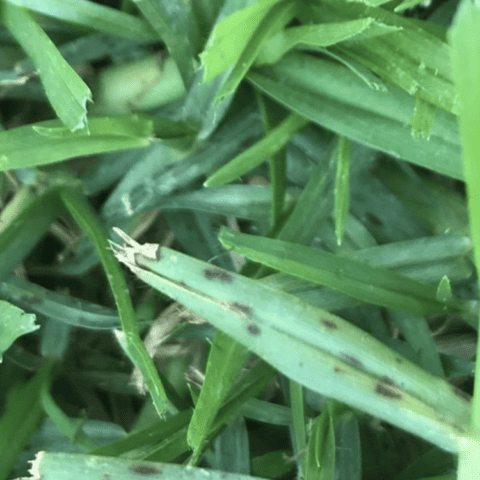
Black or White Helminthosporium (Black or White Helmo)
What is Helminthosporium Disease? Commonly known as “Helmo”, Helminthosporium is a general term historically used to describe a group of turf diseases caused by fungi now classified as Bipolaris, Drechslera and Exserohilum. Depending on the turf species and environmental conditions, these pathogens can cause leaf spot, melting out, crown rot, and root rot. Helmo diseases …
Read more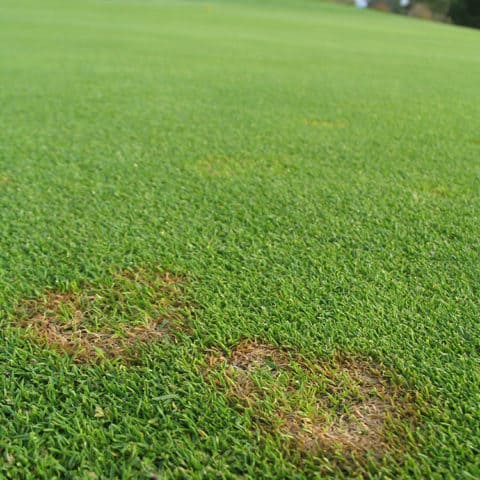
Microdochium (Fusarsium) Patch
Microdochium Patch is one of the most common cool-season turf diseases in Australia, affecting golf courses, sports fields, bowling greens and premium lawns during the cooler months. Caused by the fungus Microdochium nivale, the disease attacks the leaves and crowns of turf, reducing turf quality and playing performance. Unlike many turf diseases, Microdochium Patch does …
Read more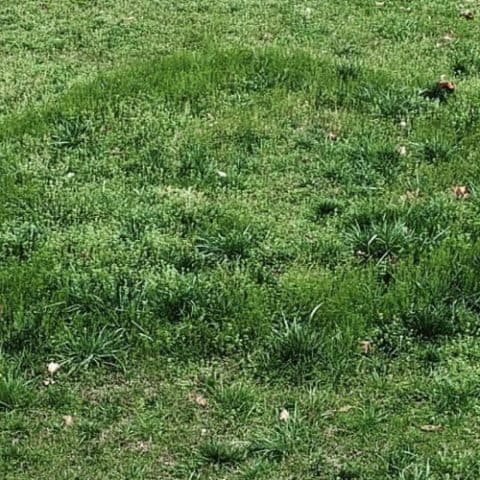
Fairy Ring
Fairy Ring in Turf: Identification, Causes & Management What is Fairy Ring? Fairy Ring is a common soil-borne turf disease caused by a range of fungi that decompose organic matter within the soil profile. Rather than infecting the turf plant itself, these fungi grow through the rootzone, breaking down thatch, old roots and buried organic …
Read more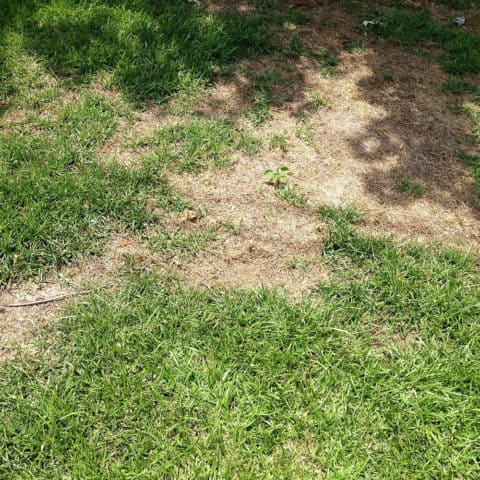
ERI or Ectotrophic Root Infecting Fungi
Ectotrophic Root Infecting (ERI) fungi are a group of soil-borne pathogens that attack the roots, crowns and stolons of turf. Unlike foliar diseases, ERI fungi infect the plant below ground, reducing its ability to absorb water and nutrients, leading to poor vigour, thinning turf and increased susceptibility to environmental stress. The ERI group includes several …
Read more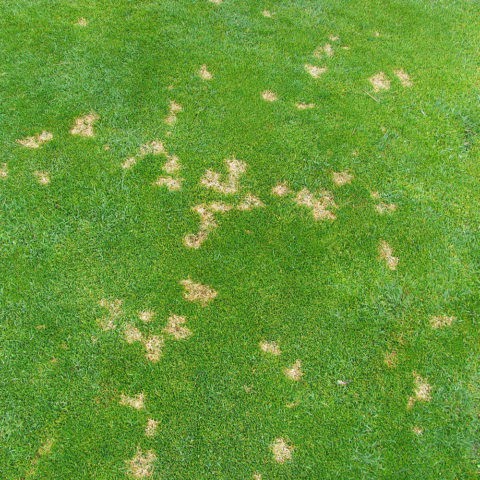
Dollar Spot
Dollar Spot in Turfgrass: Identification, Causes & Management What is Dollar Spot? Dollar Spot is one of the most common and economically significant diseases of managed turfgrass in Australia. Caused by the fungus Clarireedia jacksonii (formerly classified as Sclerotinia homoeocarpa), it primarily affects the leaves of turfgrass, reducing turf quality, density and playability. The disease …
Read more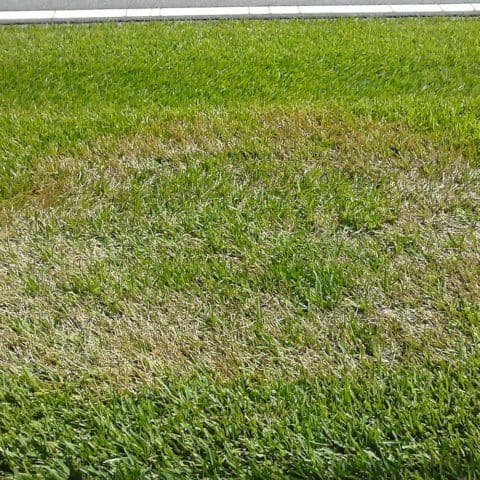
Brown Patch
Brown Patch in turf: Identification, Causes & Management What is Brown Patch? Brown Patch is one of the most common diseases of managed turf during Australia’s warmer months. It is caused by the fungus Rhizoctonia solani, a soil-borne pathogen that attacks the leaves, leaf sheaths and crowns of susceptible turfes. Unlike many turf diseases, It …
Read more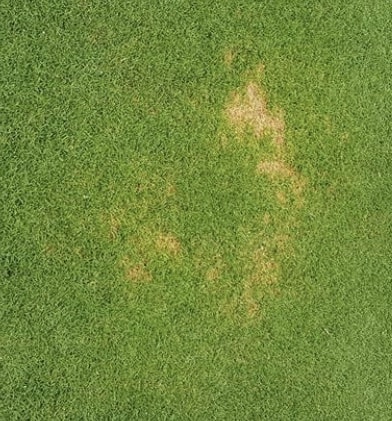
Anthracnose
Anthracnose in Turf: Identification, Causes & Management What is Anthracnose? Anthracnose is one of the most challenging diseases of intensively managed turfgrass, particularly on golf greens and closely mown sports turf. It is caused by the fungus Colletotrichum cereale, which can infect both the leaves and crowns of susceptible turfgrass. Unlike many turf diseases, Anthracnose …
Read more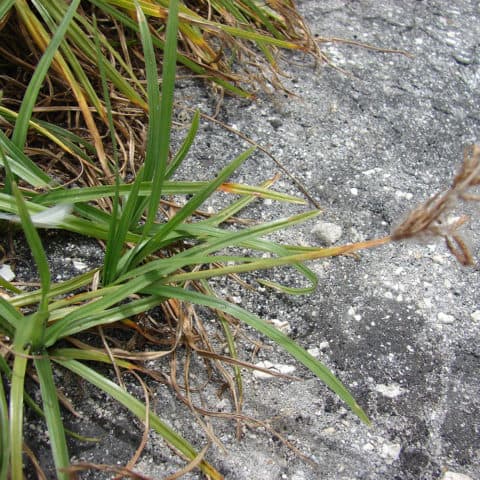
Nutgrass (Cyperus Rotundus)
Nutgrass is a perennial rapidly spreading grass-like sedge with flat, tapered and corrugated foliage. The stem is triangular in cross-section, a feature which is unique to sedges. The name nutgrass comes from the nut-like tubers found on rhizomes under the surface. These “nuts” serve as energy storage for the weed which are the reason the …
Read more