
Diseases & Fungus
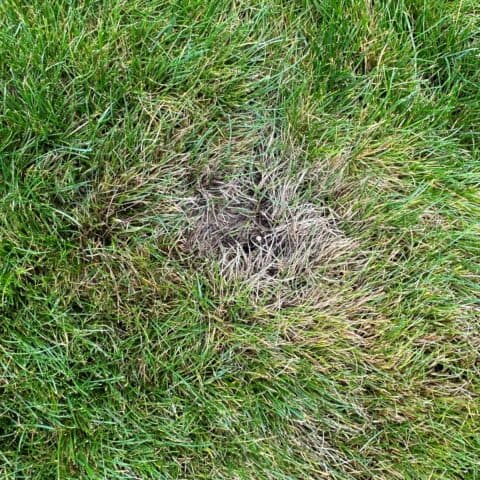
Leptosphaerulina Leaf Blight
Leptosphaerulina spp Leptosphaerulina leaf blight, a fungal disease, can affect a wide range of turfgrass species predominantly cool season varieties, causing aesthetic damage and reducing overall turf health. This guide provides information on identifying, understanding, and managing Leptosphaerulina leaf blight in your lawn. The Cause and Susceptible Turf The culprit behind this disease is a fungus …
Read more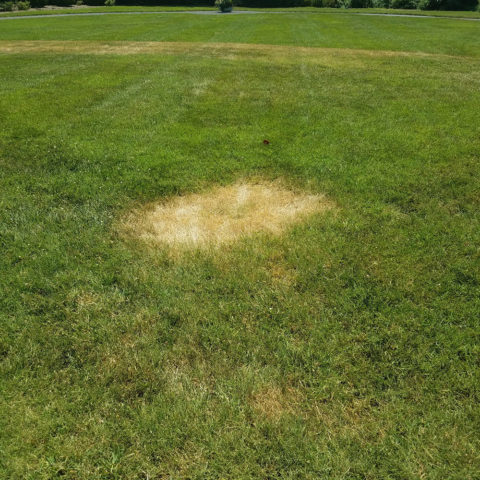
Take-all Patch
Gaeumannomyces graminis var. avenae What is Take-All Patch? Take-All Patch is a serious root disease of cool-season turf, particularly creeping bentgrass. Caused by the fungus Gaeumannomyces graminis var. avenae, it attacks roots, crowns and stolons, reducing the turf’s ability to take up water and nutrients. Patches can start relatively small but can grow up to …
Read more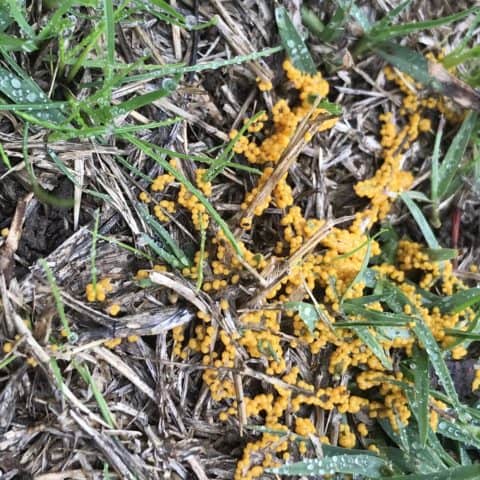
Slime Mould
What is Slime Mould? Slime mould is a harmless fungal-like organism that occasionally appears on turfgrass during warm, humid, and wet conditions. Despite its appearance, it does not infect or damage turf plants. Instead, it feeds on organic matter, bacteria, and microorganisms found on the turf surface. While often alarming to turf managers and homeowners, …
Read more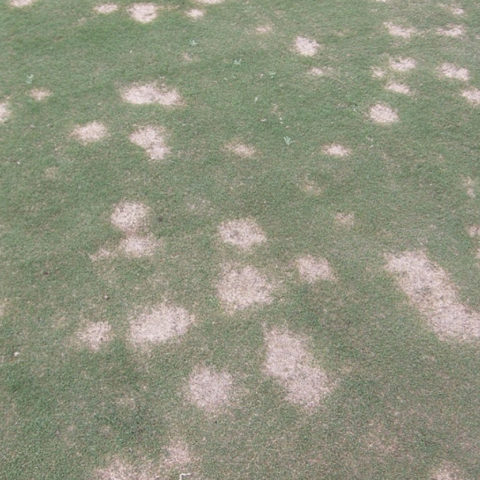
Spring Dead Spot
Ophiosphorella (formally Leptosphaeria) herpotricha, O. korrae, and O. narmari. What is Spring Dead Spot? Spring Dead Spot (SDS) is one of the most significant diseases affecting couch (Cynodon spp.) and hybrid bermudagrass turf. Caused by Ophiosphaerella fungi, the disease infects roots, rhizomes, and crowns during autumn and winter, weakening the plant before dormancy. While infection occurs during …
Read more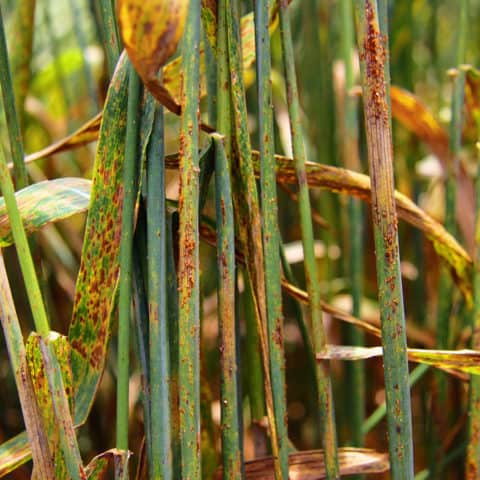
Rust
Rust in turf: Identification, Causes & Management What is Rust? Rust is a common foliar disease of turf caused by several species of Puccinia & Uromyces fungi. It primarily affects cool-season grasses such as perennial ryegrass, Kentucky bluegrass, and fine fescues, but can also occur in warm-season turf under favourable conditions. Rust is generally considered a …
Read more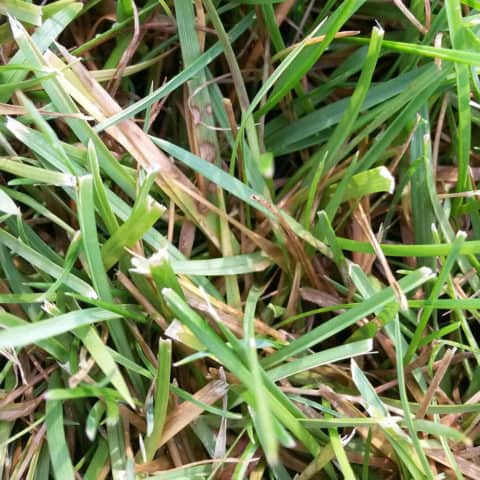
Pythium Blight
Pythium spp. What is Pythium Blight? Pythium Blight is one of the most aggressive and destructive diseases of turfgrass, capable of causing significant damage in as little as 24–48 hours under favourable conditions. Unlike most turf diseases, it is caused by Pythium species—water moulds (oomycetes) rather than true fungi. The disease affects both cool and …
Read more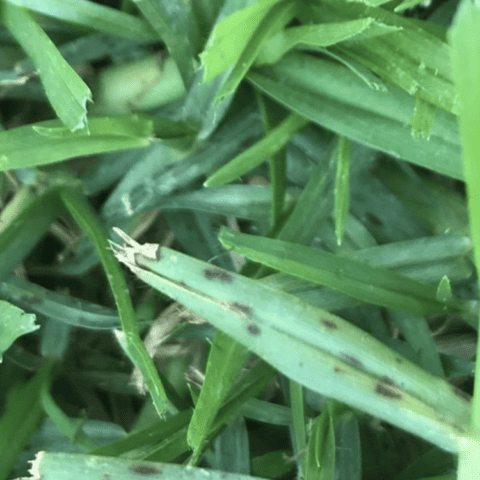
Black or White Helminthosporium (Black or White Helmo)
What is Helminthosporium Disease? Commonly known as “Helmo”, Helminthosporium is a general term historically used to describe a group of turf diseases caused by fungi now classified as Bipolaris, Drechslera and Exserohilum. Depending on the turf species and environmental conditions, these pathogens can cause leaf spot, melting out, crown rot, and root rot. Helmo diseases …
Read more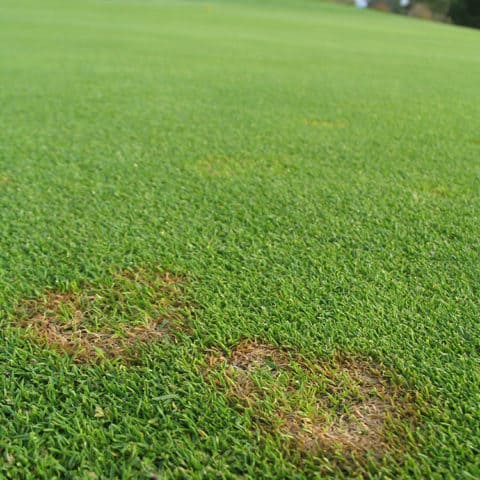
Microdochium (Fusarsium) Patch
Microdochium Patch is one of the most common cool-season turf diseases in Australia, affecting golf courses, sports fields, bowling greens and premium lawns during the cooler months. Caused by the fungus Microdochium nivale, the disease attacks the leaves and crowns of turf, reducing turf quality and playing performance. Unlike many turf diseases, Microdochium Patch does …
Read more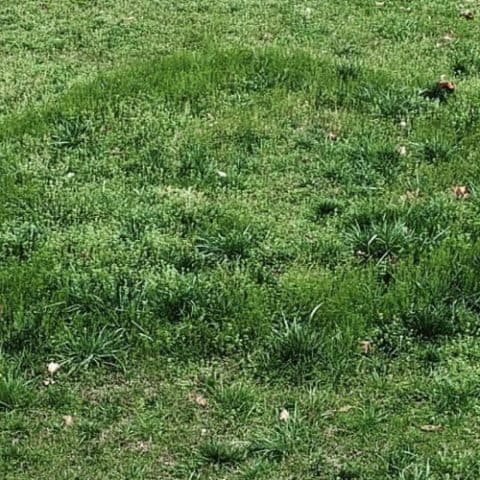
Fairy Ring
Fairy Ring in Turf: Identification, Causes & Management What is Fairy Ring? Fairy Ring is a common soil-borne turf disease caused by a range of fungi that decompose organic matter within the soil profile. Rather than infecting the turf plant itself, these fungi grow through the rootzone, breaking down thatch, old roots and buried organic …
Read more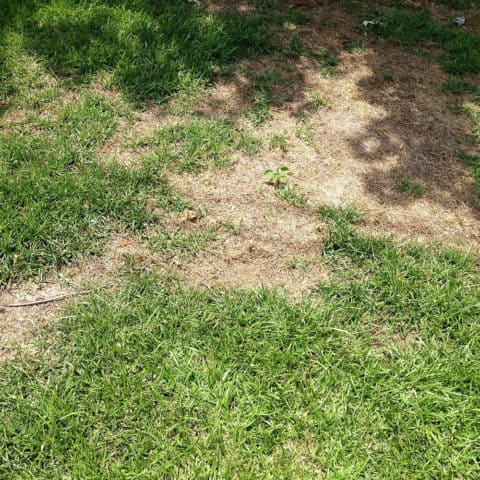
ERI or Ectotrophic Root Infecting Fungi
Ectotrophic Root Infecting (ERI) fungi are a group of soil-borne pathogens that attack the roots, crowns and stolons of turf. Unlike foliar diseases, ERI fungi infect the plant below ground, reducing its ability to absorb water and nutrients, leading to poor vigour, thinning turf and increased susceptibility to environmental stress. The ERI group includes several …
Read more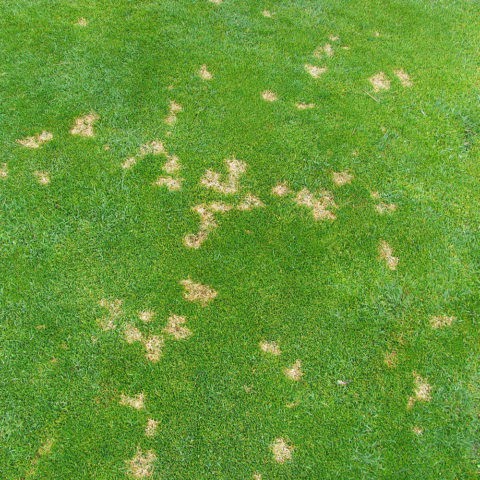
Dollar Spot
Dollar Spot in Turfgrass: Identification, Causes & Management What is Dollar Spot? Dollar Spot is one of the most common and economically significant diseases of managed turfgrass in Australia. Caused by the fungus Clarireedia jacksonii (formerly classified as Sclerotinia homoeocarpa), it primarily affects the leaves of turfgrass, reducing turf quality, density and playability. The disease …
Read more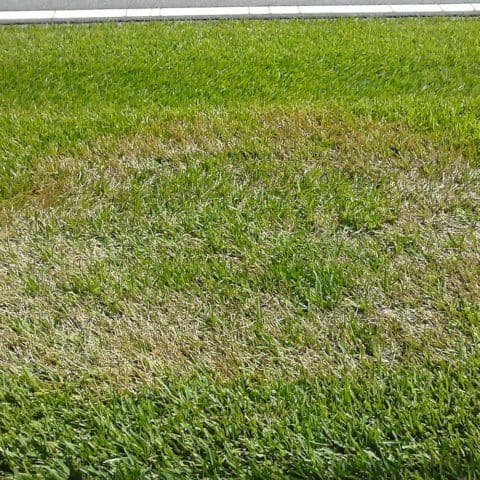
Brown Patch
Brown Patch in turf: Identification, Causes & Management What is Brown Patch? Brown Patch is one of the most common diseases of managed turf during Australia’s warmer months. It is caused by the fungus Rhizoctonia solani, a soil-borne pathogen that attacks the leaves, leaf sheaths and crowns of susceptible turfes. Unlike many turf diseases, It …
Read more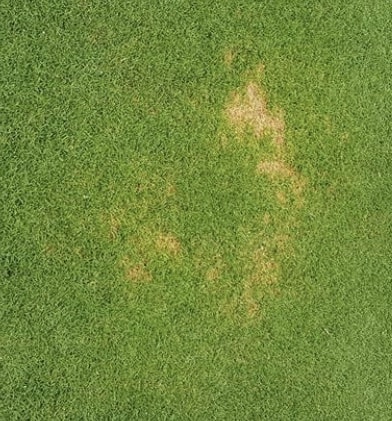
Anthracnose
Anthracnose in Turf: Identification, Causes & Management What is Anthracnose? Anthracnose is one of the most challenging diseases of intensively managed turfgrass, particularly on golf greens and closely mown sports turf. It is caused by the fungus Colletotrichum cereale, which can infect both the leaves and crowns of susceptible turfgrass. Unlike many turf diseases, Anthracnose …
Read more